
The honest comparison
This is a question we get a lot — and the honest answer is: it depends entirely on who you are and how you are travelling. Public transport in Portugal is genuinely good for certain journeys; for others, it is genuinely awkward. This guide tells you which is which.
Where public transport is available — but with limitations
Lisbon → Sintra by train
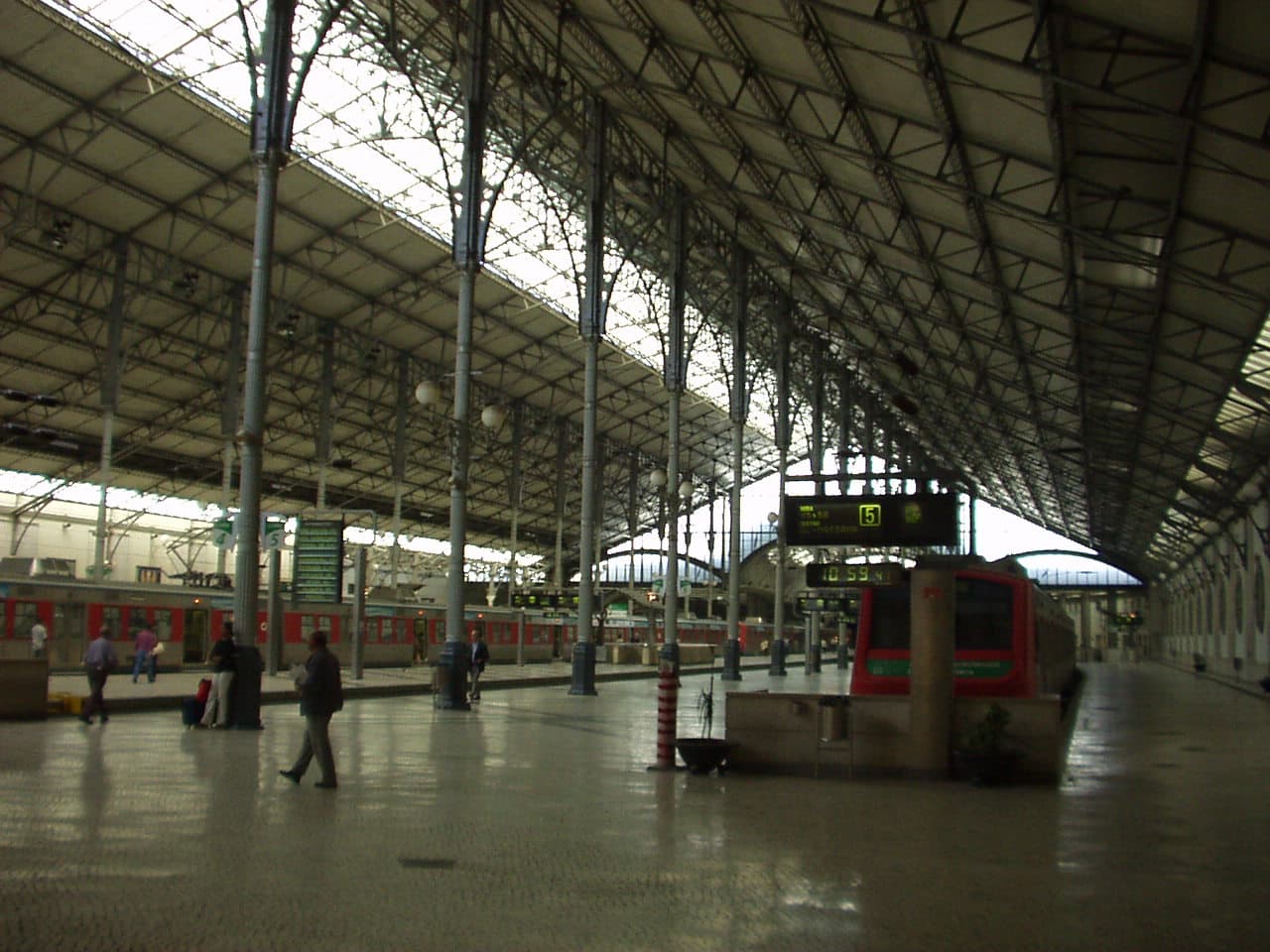
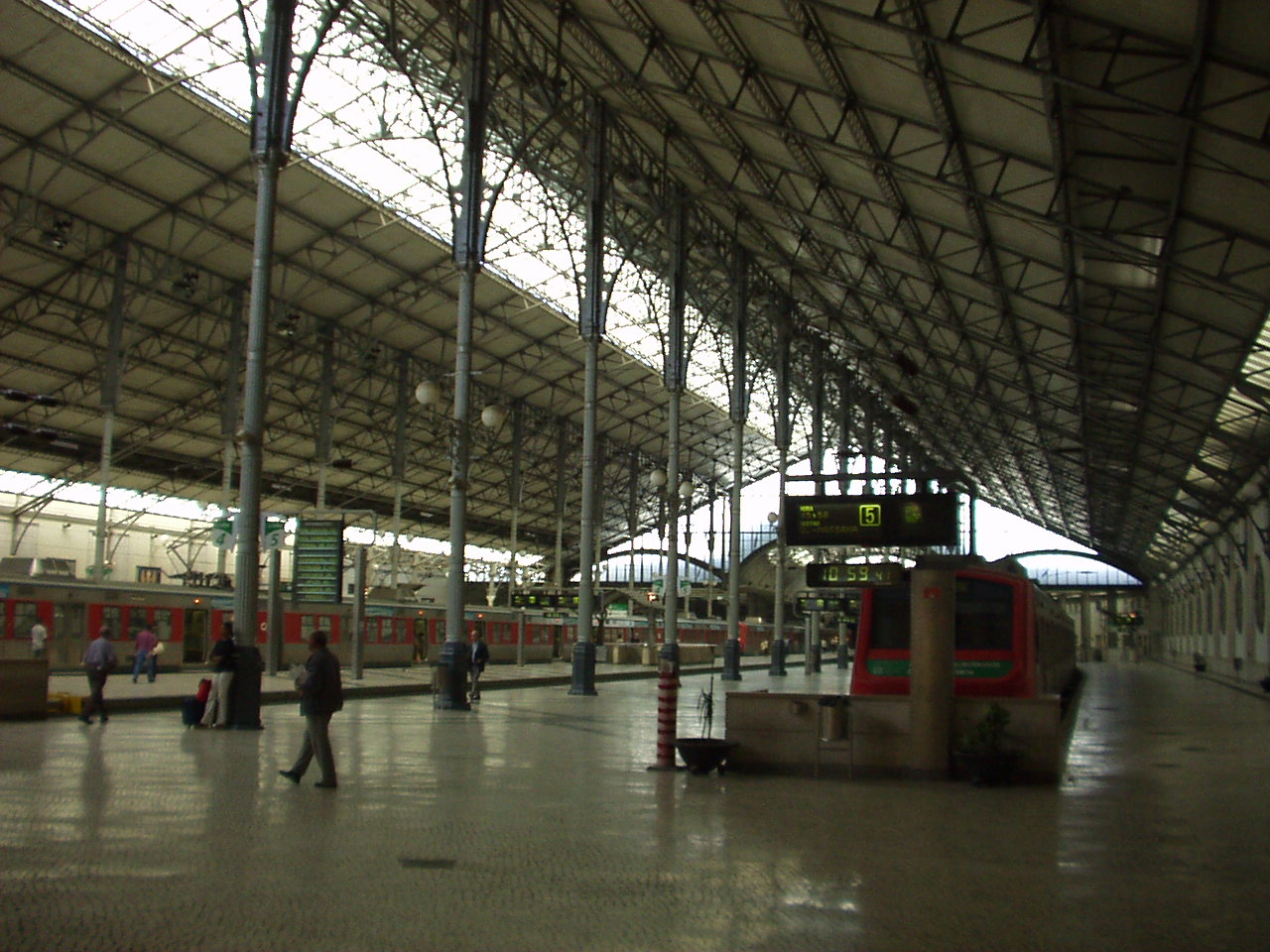
A train connection from Rossio station does exist, and it drops you in the village centre. From there, you still need the tourist bus or a taxi to reach the hilltop palaces — Pena, Monserrate, and the Moorish Castle are all uphill and spread apart. For a group, or anyone wanting to start directly at the palace gates without extra connections, the train adds at least two extra transport legs to your day and significantly limits your flexibility between sites.
Lisbon → Cascais by train
The Cascais line exists and follows the coast for part of the journey. The limitation is rigidity: you travel on the train's timetable, not yours. If you want to stop at Estoril or Belém on the way, or change your return time based on how the day unfolds, you are locked into set departures. For anyone travelling with a family or combining Cascais with another destination, the schedule quickly becomes a constraint rather than a convenience.
Lisbon → Évora by train
A train connection from Oriente station exists. The key limitation is time: you are tied to fixed departure and return times, which is particularly problematic in Évora — a city where a long lunch in one of its historic restaurants is part of the experience. Arriving on a schedule and leaving on a schedule tends to rush exactly the moments you came for.
Where public transport becomes difficult
Fátima
No direct train. The nearest station (Caxarias) is a 30-minute taxi ride from the sanctuary. Coach services from Sete Rios are available but take 1h 45min with intermediate stops, and the return schedule is limited. For most tourists, this is a private transfer or organised tour situation.
Nazaré
Reachable by coach from Lisbon (about 2 hours with connections), but the service is infrequent and requires planning around departure times. The town itself has no train station. If combining with Óbidos or Fátima — which most visitors want to do — public transport becomes genuinely impractical.
Ericeira
Bus from Campo Grande Metro station, changing once. Total journey about 75 minutes each way. Workable for a determined solo traveller; inconvenient for a group or anyone with beach bags and a pushchair.
Setúbal / Arrábida
Bus to Barreiro ferry terminal, ferry crossing, then bus to Setúbal — total about 90 minutes each way. The Arrábida beaches themselves require either a car or an organised tour; public transport does not reach them. This is a private transfer situation for most visitors.
The cost comparison — a group of four
The calculation that changes everything: for a group of four adults, divide the transfer price by four.
- Lisbon → Sintra: when you factor in train tickets for four, tourist bus to the palaces, and the taxi back — the total cost approaches a private transfer, which takes you directly to every site with no connections.
- Lisbon → Fátima by coach: ~€15 per person each way × 4 = €60. Private transfer: €130.90 ÷ 4 = €32.73 per person, door-to-door. Private transfer wins clearly.
- Fátima + Nazaré + Óbidos full-day tour: public transport would require separate bookings, multiple connections, and 5+ hours of logistics. Full-day private tour: €370 ÷ 4 = €92.50 per person, all transport included.
When private transfer is clearly the right choice
- Groups of three or more — the per-person cost becomes competitive immediately
- Families with young children or a pushchair — public transport with a toddler in Lisbon's summer heat is exhausting
- Anyone combining two or more destinations in one day — the logistics of public transport multiply quickly
- Airport arrivals with luggage — dragging suitcases onto the metro at 11pm after a long flight
- Destinations not well-served by trains — Fátima, Nazaré, Ericeira, Arrábida
- Anyone who simply values their time — the time saved on buses and waiting can easily add up to two or three hours on a multi-stop day
When to consider public transport
- Solo traveller going to a single destination with minimal luggage and no time pressure
- Someone who wants to experience local commuting as part of their trip
- Short city hops within Lisbon where a metro card is already loaded
The honest summary: for most day trips from Lisbon, once you factor in the full journey — connections, waiting, luggage, flexibility, and the actual time cost for a group — a private transfer delivers better value than the headline ticket price difference suggests. The train price looks cheap until you add up everything else the journey actually requires.
View all transfer prices →